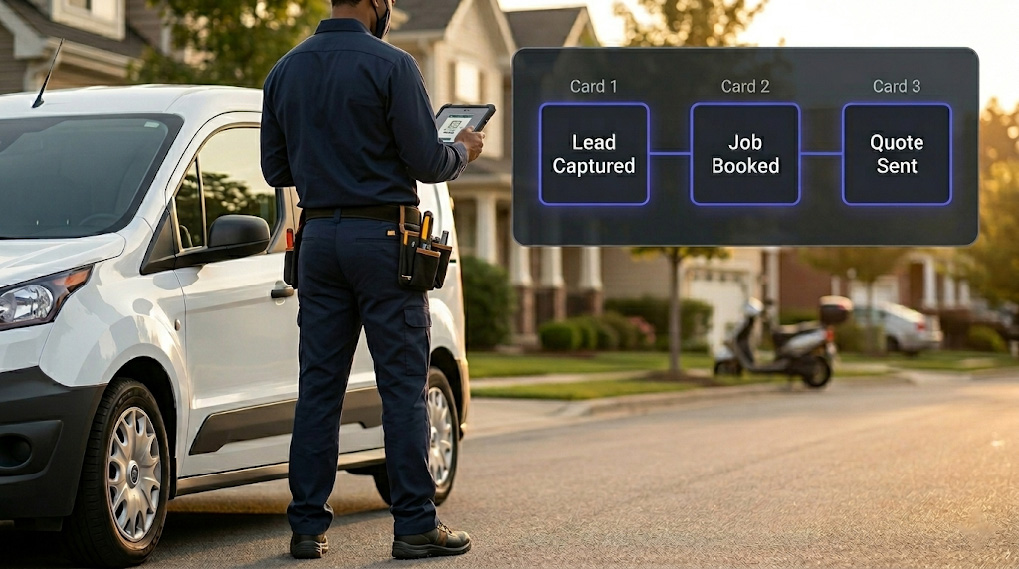
AI voice agents are used by US businesses in 2026 to answer calls 24/7, qualify leads, book appointments, and eliminate missed-call revenue loss. Compared to human receptionists, AI voice agents typically cost 60–80% less annually while handling unlimited call volume and integrating directly with CRMs like Salesforce and ServiceTitan.
In 2026, the silent killer of US small-to-mid-sized businesses (SMBs) isn’t inflation or taxes, it’s silence.
Specifically, the silence of a phone ringing in an empty office, or a voicemail box that potential customers hang up on. Data confirms that 62% of calls to SMBs go unanswered, and 85% of those callers will not call back, they simply dial your competitor. In high-stakes markets like Dallas, Austin, New York, and Los Angeles, you aren’t just missing a call; you are handing market share directly to your rivals.
For business owners, the traditional solution was hiring more administrative staff. But with US administrative salaries averaging over $17.64/hour (and climbing past $23/hour in major metros), scaling human staff to cover 24/7 demand is financially unsustainable.
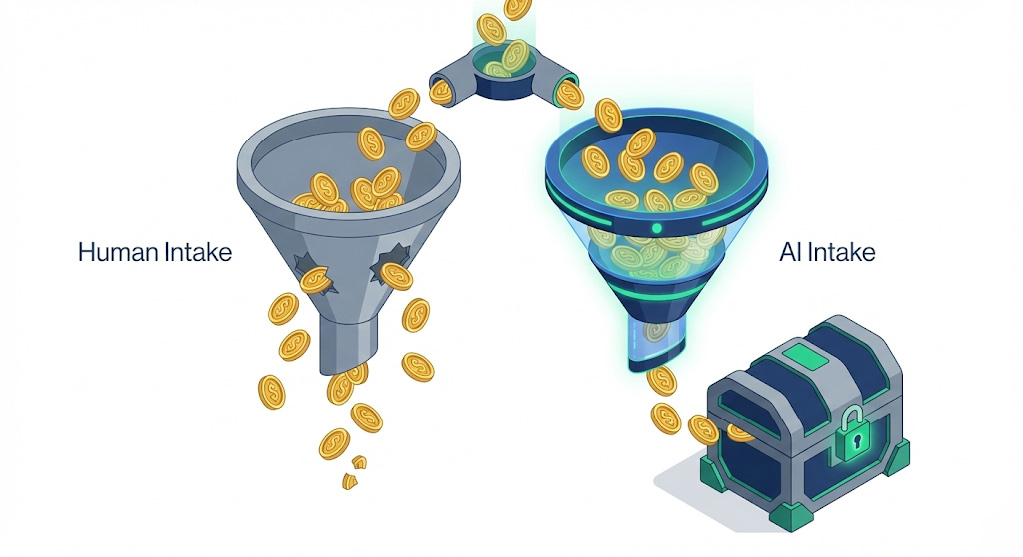
At Power Reach AI, based here in Dallas, Texas, we view AI not as a novelty, but as essential survival infrastructure. This guide breaks down exactly how US businesses are using AI voice agents to fix “leaky bucket” revenue problems and why 2026 is the year to automate your front desk.
Why do AI voice agents matter for US small businesses in 2026?
AI voice agents matter because they solve the US labor shortage and rising wage costs by providing affordable, 24/7 coverage that meets the consumer demand for instant response.
The US labor market has fundamentally shifted. Finding reliable, affordable administrative talent is harder than ever, yet customer expectations have skyrocketed. The “Amazon Effect” means your customers expect instant gratification, whether they are booking a plumber in Chicago or a med spa appointment in Miami.
AI Voice Agent:
A conversational AI system that answers phone calls, understands natural speech, executes workflows, and integrates with business software without human intervention.
An AI Voice Agent is not a voicemail. It is an intelligent system that can:
- Answer calls instantly, 24/7/365 (No breaks, no sick days).
- Hold natural, human-like conversations with near-zero latency.
- Integrate seamlessly with US-standard stacks like Salesforce, HubSpot, ServiceTitan, and Jobber.
- Comply with FCC regulations, specifically strict TCPA guidelines regarding AI-generated voices.
The “Unified Engine” Advantage
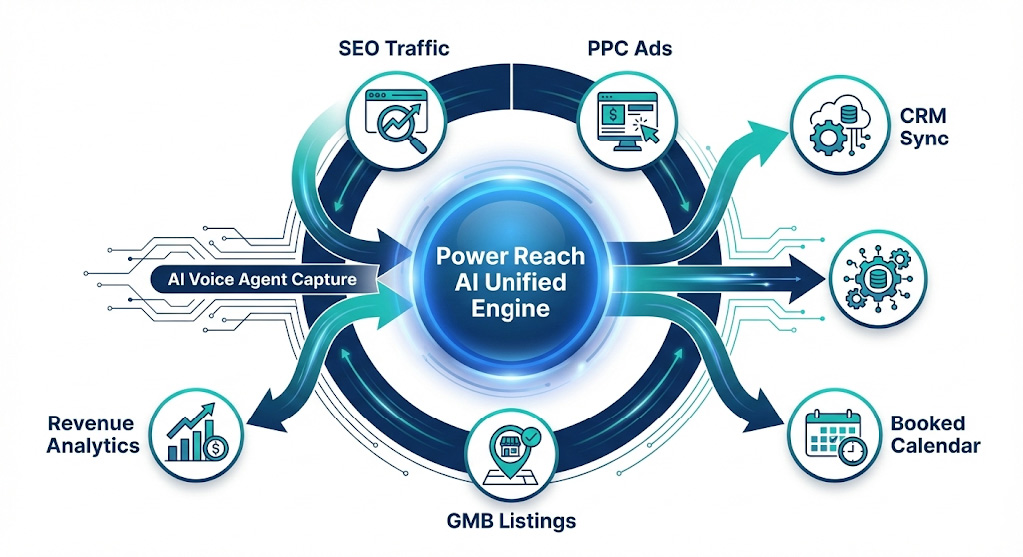
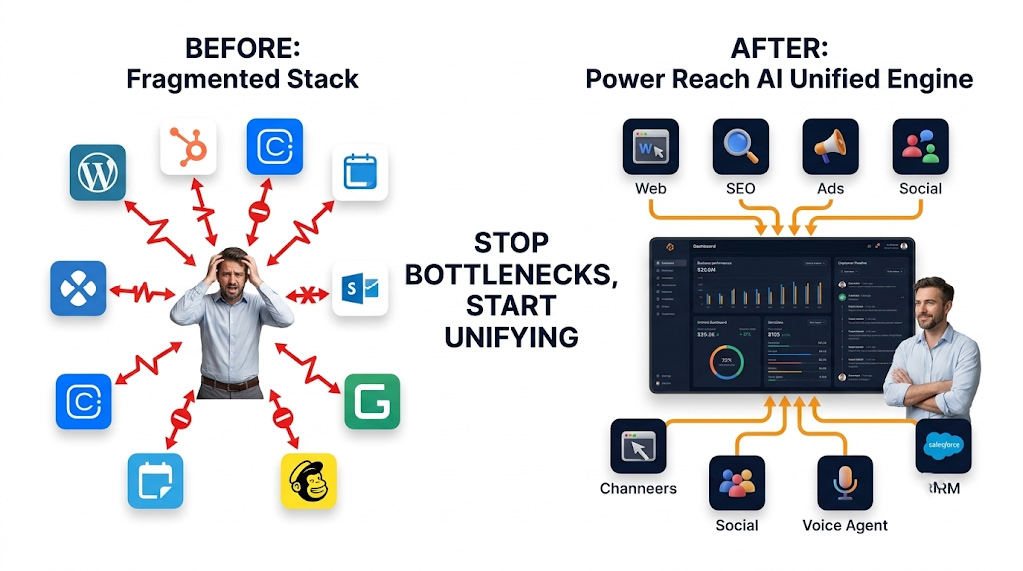
Most businesses make the mistake of buying a standalone AI tool and duct-taping it to their CRM. At Power Reach AI, we build Unified Growth Engines.
Unified Growth Engine:
A system where AI voice agents, SEO, paid ads, CRM automation, and analytics operate as a single revenue workflow rather than separate tools.
How are US businesses using AI voice agents in real-world scenarios?
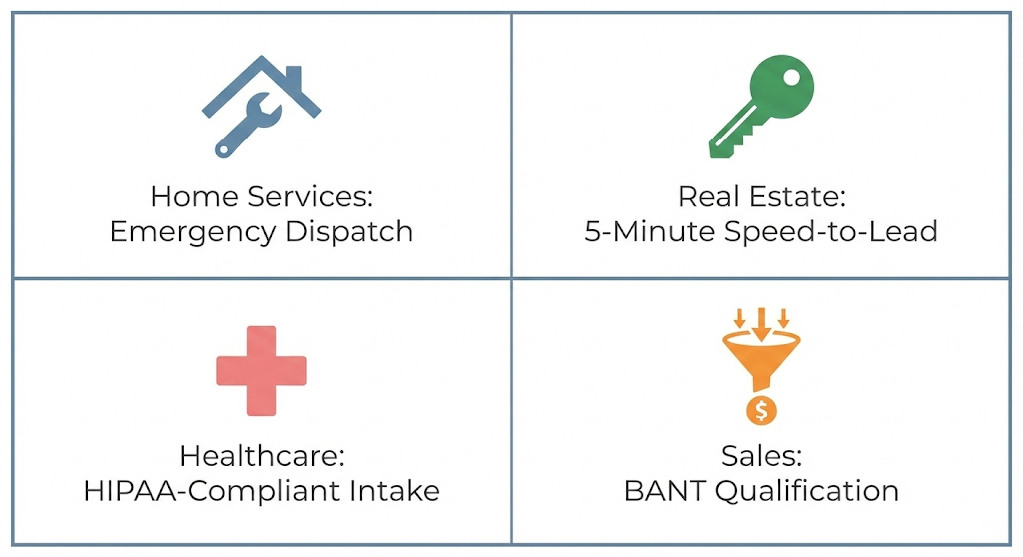
US businesses use AI voice agents to capture emergency leads in home services, qualify buyers in real estate, and manage HIPAA-compliant bookings in healthcare without adding headcount.
Based on live deployments across US home services, real estate, and healthcare businesses, missed calls consistently represent the largest untracked revenue leak. Here is how specific industries stop that leak:
Use Case 1: Home Services (HVAC, Plumbing, Roofing)
- Primary function: Emergency call capture and dispatch.
- Context: In storm-prone areas like Texas and Florida, demand spikes instantly. If a homeowner’s AC dies in July, they call until someone answers.
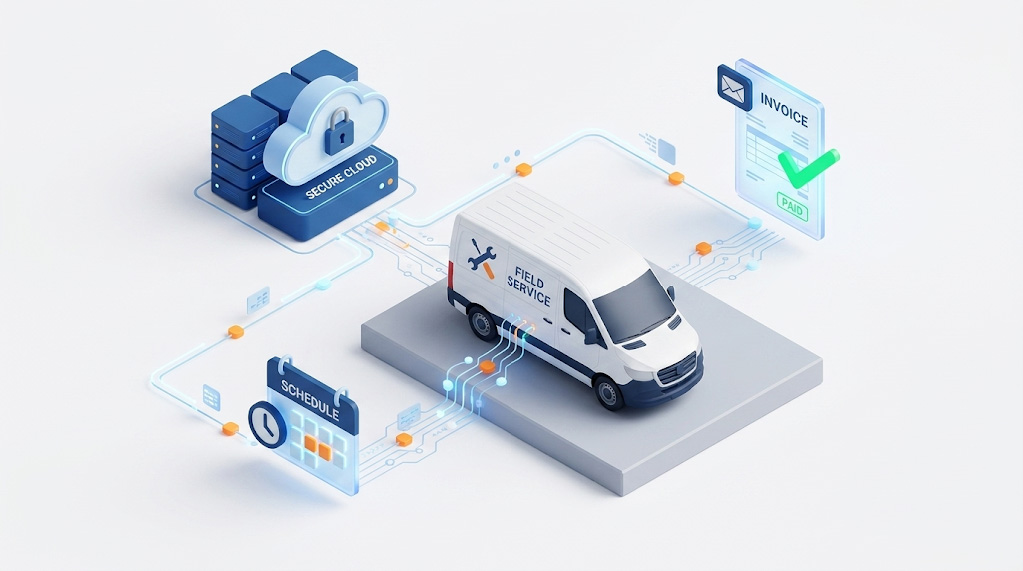
- Business Impact: The AI agent answers immediately, qualifies the lead (“Is this an emergency?”), checks your ServiceTitan dispatch board, and books the slot. You capture revenue while competitors send calls to voicemail.
Use Case 2: Real Estate & Mortgage
- Primary function: 24/7 Lead qualification and routing.
- Context: Speed-to-lead is critical. Responding within 5 minutes increases conversion odds by 100x.
- Business Impact: AI agents handle inbound inquiries from Zillow or MLS listings 24/7. They qualify the buyer (“Are you pre-approved? What is your timeline?”), sync with your calendar, and book a showing for your human agents.
Use Case 3: Healthcare & Med Spas
- Primary function: HIPAA-compliant appointment booking.
- Context: Privacy is non-negotiable in the US market. Patients expect a high-end, “concierge” experience.
- Business Impact: AI agents handle intake FAQs (“Do you take Blue Cross?”), scheduling, and pre-procedure reminders. This reduces no-shows and maintains a premium feel fitting for markets like LA and NYC.
Use Case 4: High-Ticket Sales & Coaching
- Primary function: Inbound lead filtering.
- Context: Your closers are expensive. You cannot afford to have them talking to unqualified prospects.
- Business Impact: The AI agent acts as a gatekeeper, running prospects through a BANT (Budget, Authority, Need, Timing) framework. Only qualified leads get passed to the human sales team.
How much do AI voice agents cost compared to human receptionists in the US?
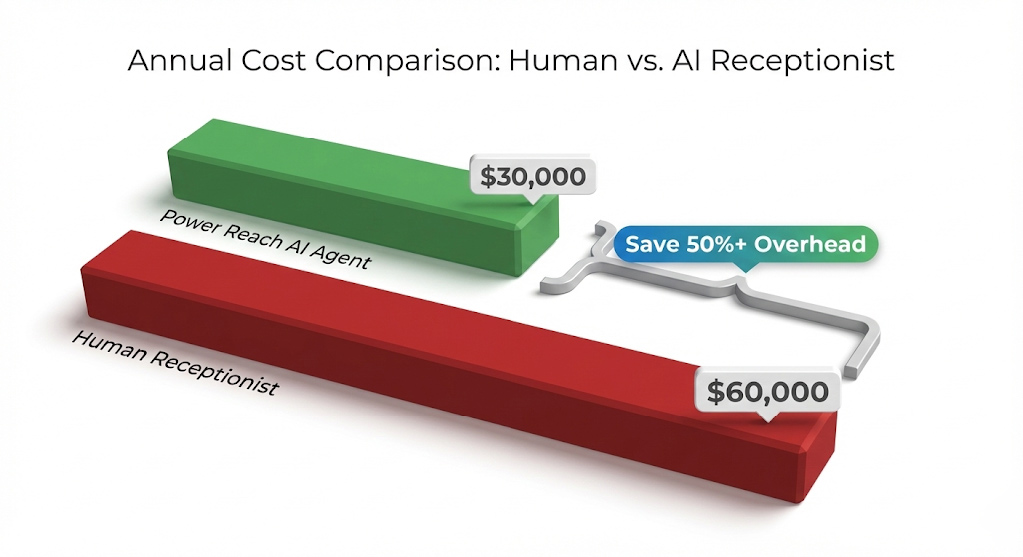
In 2026, AI voice agents typically cost between $1,500 and $3,000 per month for a fully managed system, while a single human receptionist costs $60,000+ annually with limited availability.
Let’s look at the hard numbers for the US market.
| Feature | Human Receptionist | AI Voice Agent |
| Availability | 40 hrs/week | 24/7/365 |
| Concurrent Calls | 1 | 100+ |
| Annual Cost (US) | $60,000+ (Salary + Overhead) | $18,000 – $36,000 |
| CRM Integration | Manual Data Entry | Native / Instant Sync |
| Scalability | Linear (Hire more people) | Instant (Unlimited capacity) |
The Power Reach AI Difference
We disrupt the traditional agency model. Instead of charging you piecemeal for a bot, website, and SEO, we offer a Unified System.
For an investment of roughly $2,995/month, Power Reach AI provides a complete growth engine that includes:
- Custom AI Agents (Lead validation & appointment setting).
- Content & SEO (To drive traffic to the phone number).
- PPC Management (To fuel the funnel).
- Analytics (To track every dollar).
“AI voice agents replace silence, not people.”
What ROI can US businesses expect from AI voice agents?
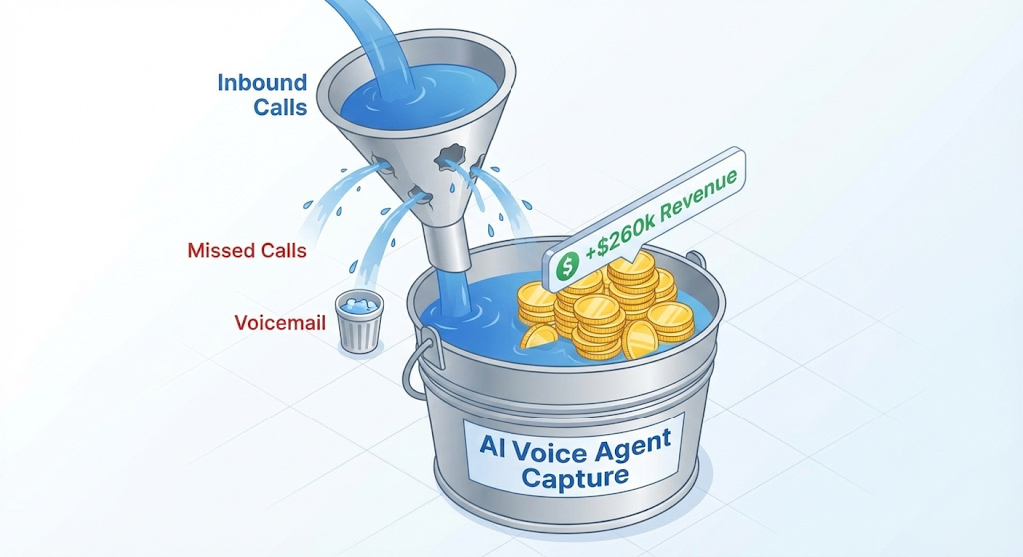
For high-ticket service businesses, recovering just one missed job per month often covers the entire cost of the AI system, resulting in an ROI that can exceed 10x within the first year.
How quickly does anAI appointment setting system pay for itself? Let’s take a typical US Roofing Contractor as an example.
- Average Revenue per Job: $10,000.
- Missed Calls per Week: 5.
- Close Rate on Inbound Calls: 20%.
The “Leaky Bucket” Math:
If you miss 5 calls a week, you are statistically missing 1 sale per week.
- 1 Sale x $10,000 = $10,000 lost revenue per week.
- $520,000 lost revenue per year.
The AI ROI:
If the AI agent answers those calls and captures just half of that lost business, it generates an additional $260,000/year.
The system pays for itself in the first 48 hours of operation.
“Missed calls are no longer an operations issue. They are a revenue issue.”
Why Power Reach AI? Not Just a Bot, A Strategy.
There are plenty of cheap, DIY AI tools on the market. But US businesses face unique challenges that generic software can’t solve: accent nuances, complex CRM integrations, and strict FCC regulations.
At Power Reach AI, we offer:
- US-Based Strategy: Headquartered in Dallas, TX, we understand the US consumer. Our agents are trained on American conversational nuances, no robotic phrasing or awkward pauses.
- Intelligence Augmented by Experts: We abide by a “Human-Quality Guarantee.” AI does the heavy lifting, but human experts oversee the strategy, scriptwriting, and integration to ensure your brand voice is perfect.
- The Unified Engine: We don’t just give you a voice agent; we give you the SEO and Ads to make the phone ring, and the CRM automation to nurture the lead after the call hangs up.
Stop Duct-Taping Your Business Together
In 2026, the businesses that win are the ones that move fast. Stop losing sleep over missed calls and high overhead. “In 2026, answering the phone is a growth strategy.”
Ready to stop the revenue leak?