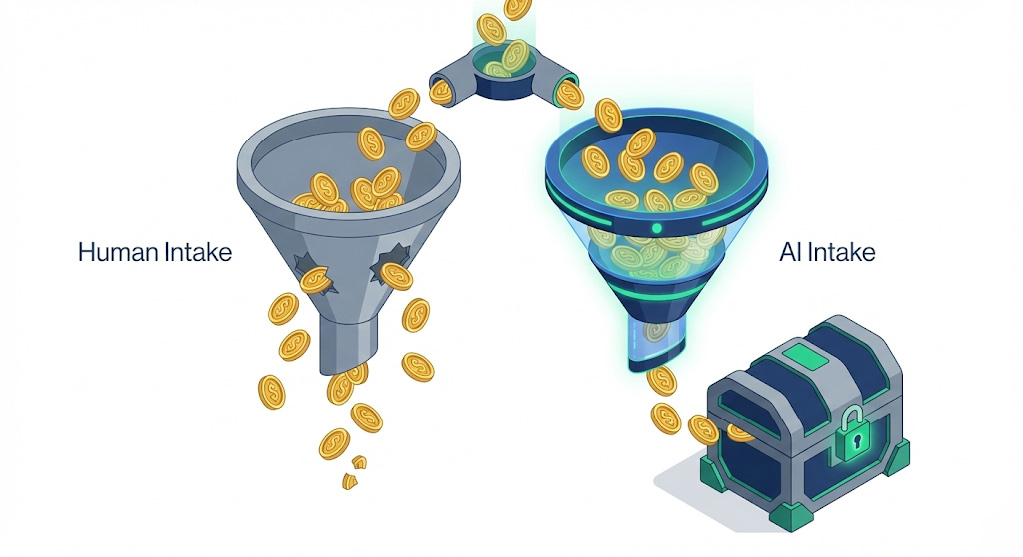
Most businesses think they have a marketing tech stack.
In 2026?
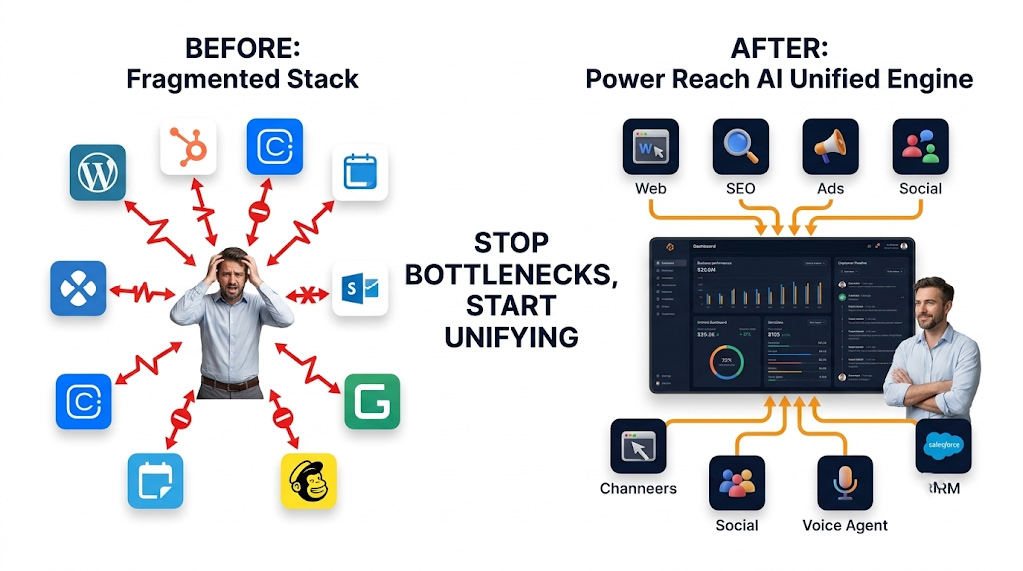
They really just have a “Franken-stack,” which is a chaotic graveyard of scattered tools that do not talk to each other. They bleed monthly subscription fees while business owners drown in manual work.
Here is the brutal truth about the marketing landscape right now:
The gap between having basic AI tools and having an integrated, automated AI system is where profit goes to die. While 88% of marketers use AI daily, less than 15% have a stack that actually removes the human from repetitive execution tasks.
If you are still copy-pasting data from ChatGPT into a Google Doc, formatting it, and then uploading it to an email tool, you are the API. That is the most expensive bottleneck in your business.
This guide maps out the 2026 Integrated AI Stack (not a list of cool gadgets, but a blueprint for an automated revenue engine that runs while you sleep).
The New Reality of Marketing in 2026
In 2023, AI was a novelty toy for writing emails. In 2026, AI is the native operating system of business growth.
The fundamental shift is simple: AI has moved from an assistant to an autonomous agent.
Old AI models waited for you to give them a prompt. The 2026 stack proactively identifies a problem (such as a 4% drop in organic traffic), formulates a plan (such as updating five key blog posts), and executes it (such as drafting, optimizing, and queuing the updates).
We have entered the era of “Zero-Latency Marketing.”
- Manual Work is Obsolete: Humans no longer spend hours resizing images, cleaning databases, or scheduling posts.
- Context-Aware AI Models: Your email system knows exactly what ad your lead clicked on and what blog post they read yesterday.
- Execution vs. Strategy: AI handles 90% of the mechanical execution. Humans handle 100% of the high-level strategy and emotional connection.
📊 Visualizing the Shift: Weekly Time Spent on Marketing Tasks
| Task Type | 2023 (Manual Era) | 2026 (Agentic Era) |
| Data Entry & Formatting | 15 hours/week | 0 hours/week (Automated) |
| Content Drafting | 20 hours/week | 2 hours/week (Review only) |
| Campaign Optimization | 10 hours/week | 0.5 hours/week (AI Auto-adjust) |
| Strategic Thinking | 5 hours/week | 30 hours/week (High Value) |
The 2026 AI Marketing Stack (Step-by-Step Breakdown)
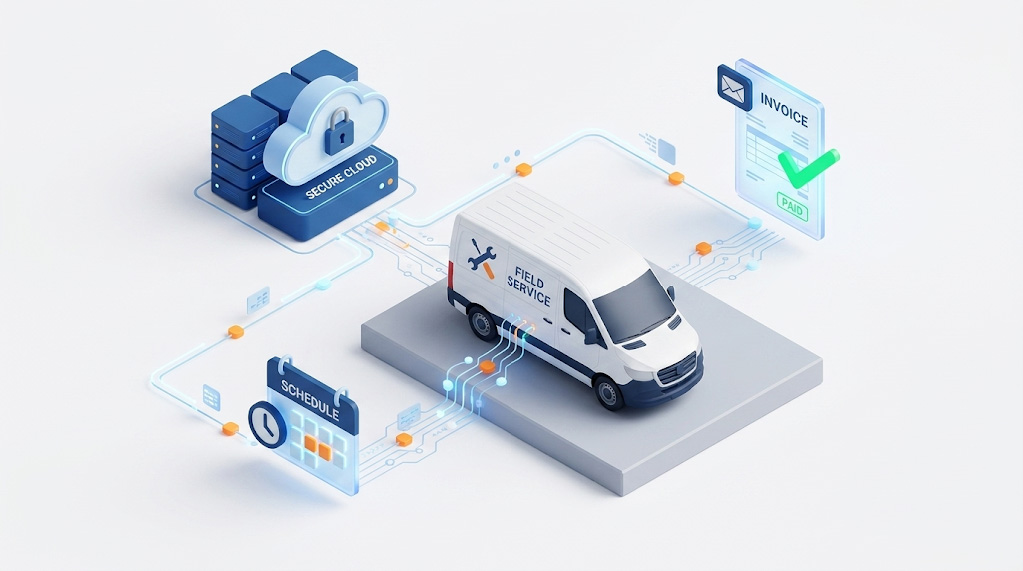
The best AI tools for small businesses 2026 do not operate in silos. A true stack acts as a relay race, where each layer automatically passes data to the next.
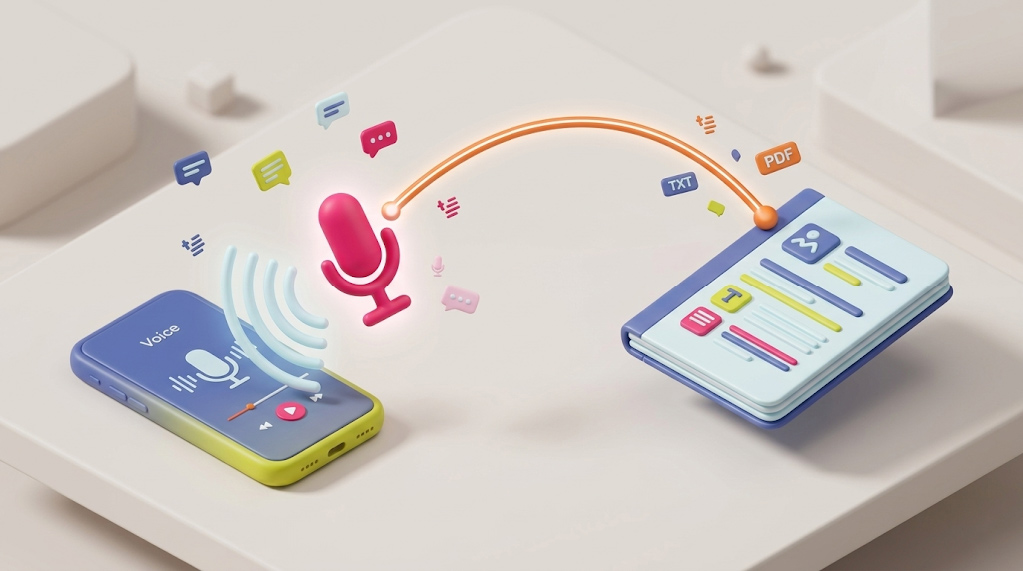
1. The AI Website Engine (The Conversion Foundation)
- What it does: It is a dynamic asset that uses AI marketing automation to personalize headlines and offers based on visitor behavior in real-time.
- Why it matters: Static websites have high bounce rates. Personalized sites adapt to individual user intent, boosting conversion rates by up to 30%.
- Psychological Trigger: Relevance reduces friction. When a customer sees exactly what they need immediately, trust spikes.
2. The SEO and Search Intelligence Layer (SEO Optimization)
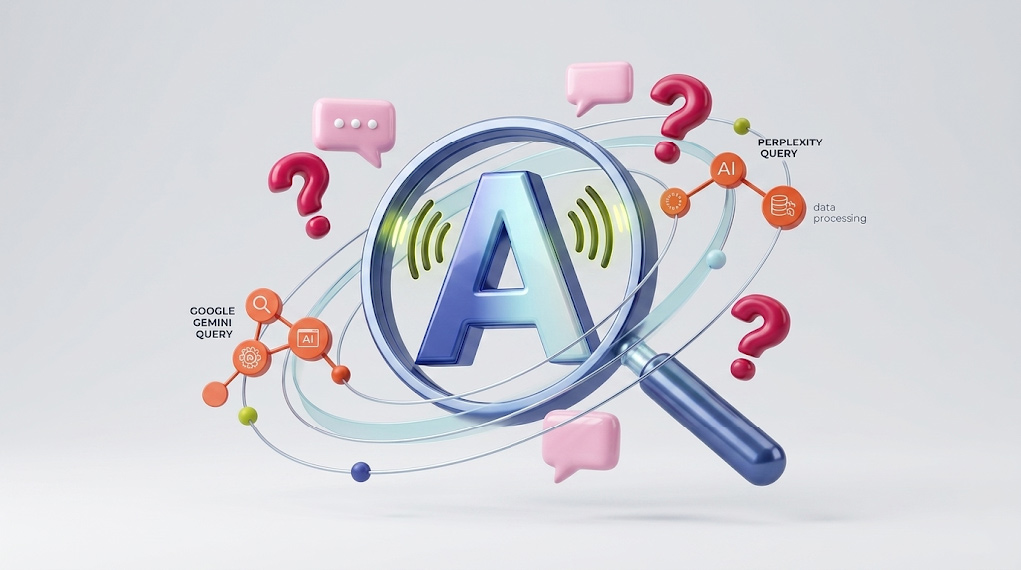
- What it does: Instead of just finding keywords, it analyzes “Answer Engine Optimization” (AEO) intent for Google Gemini and Perplexity. It predicts what questions your customers will ask before they ask them.
- Small Business Use Case: An AI agent monitors search trends in your niche and auto-suggests content briefs to capture high-intent traffic.
3. The AI Content Factory (Scalable Creation)
- What it does: Connects search intent to content production. It takes search briefs and generates blogs, social snippets, and scripts in your exact brand voice.
- Why it matters: Consistent content builds authority, but unedited AI “slop” gets penalized by search engines. The ideal system pairs AI drafting with human oversight to keep content premium.
4. Social Media & Creative Automation Layer
- What it does: Auto-generates multiple variations of creative assets (images, short video clips) and schedules posts based on when your audience is most active.
- Psychological Trigger: The Mere Exposure Effect. Consistent, high-quality visibility makes your brand feel familiar and safe to prospective buyers.
5. Paid Ads Optimization AI (Algorithmic Bidding)
- What it does: Acts as algorithmic trading for your ad budget. It monitors your Meta and Google ad spend 24/7, killing losing creatives and scaling winning ads instantly.
- Why it matters: It completely eliminates wasted ad spend, which is the number-one pain point for small business owners.
6. Email & CRM Automation (Hyper-Personalized Nurturing)
- What it does: Automatically logs every call, chat, and interaction. If a lead visits your pricing page, the AI CRM triggers a personalized email sequence addressing their specific industry pain points.
- Why it matters: Generic newsletters get deleted. Highly personalized emails drive 3x higher click-through rates.
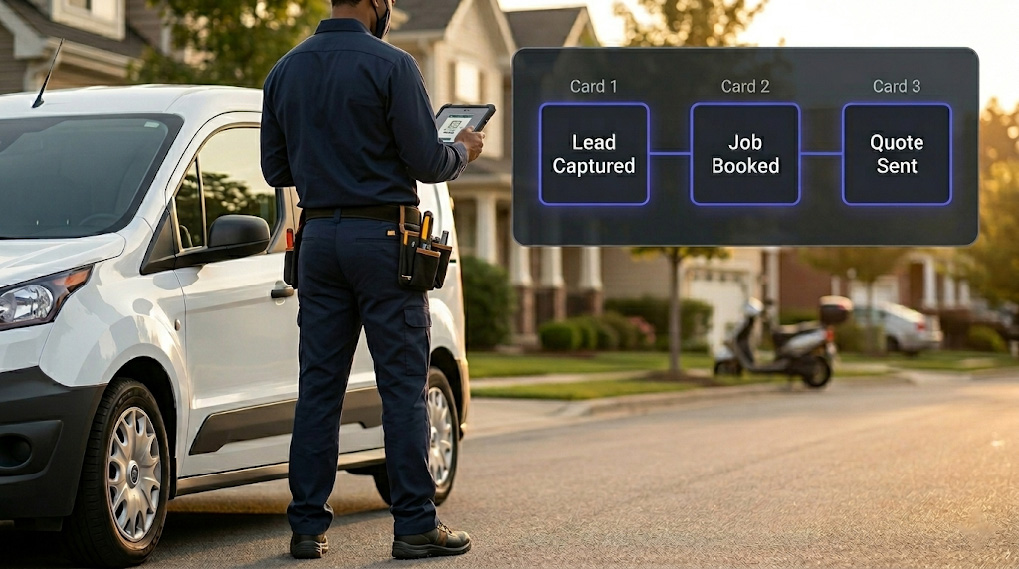
7. Lead Generation + Outreach AI (Speed-to-Lead Automation)
- What it does: Deploys AI voice and chat agents that qualify leads, answer FAQs, and book meetings directly into your calendar 24/7.
- Why it matters: Responding within 5 minutes makes you 21 times more likely to qualify a lead. 78% of customers buy from the business that responds first.
8. Unified Analytics + Decision Dashboard (Full Visibility)
- What it does: Consolidates data from all channels into one “Source of Truth”. It tracks customer acquisition cost (CAC) and marketing ROI in real time.
🧠 The 2026 Mindset Shift
“In 2026, the most valuable marketing skill is not creativity or budget; it is orchestration. The winner is the business owner who builds the best integrated machine.”
What a Full AI Stack Looks Like When It Works Together
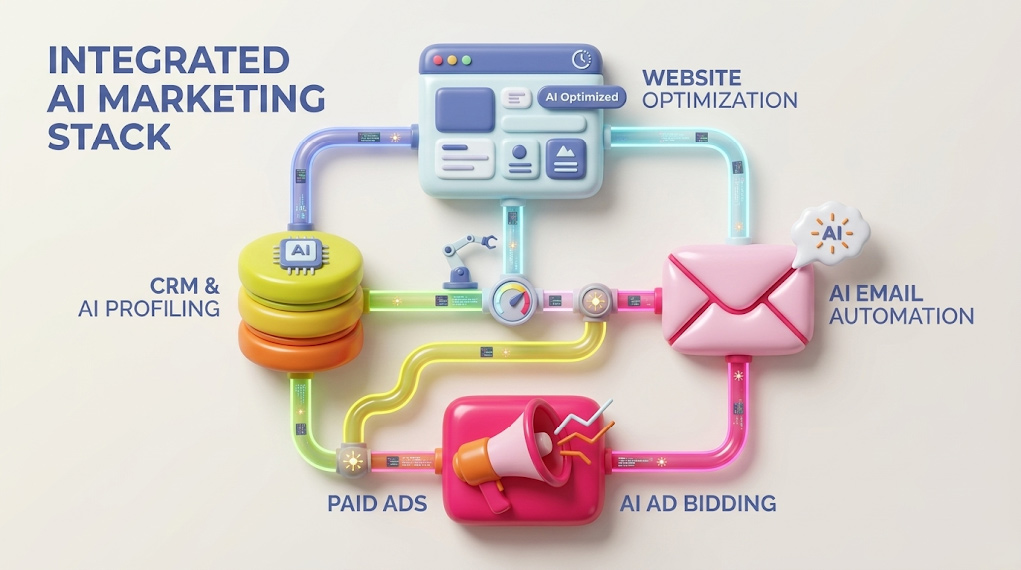
When your digital marketing strategies are fully integrated, systems talk to each other without human intervention. Data flows instantly.
──> Captures visitor data ──> Segments lead ──> [AI Content] Generates email ──> [AI Ads] Serves retargeting ad ──> [AI Analytics] Reports ROI
Micro-Case Study: Manual Chaos vs. 2026 Automation
- The Fragmented Business:
Jane runs a consulting firm. She manually downloads leads from Meta ads, then uploads them to Mailchimp on Friday mornings. Because she takes days to respond, her leads go cold, resulting in a 2% conversion rate and high stress. - The Integrated 2026 Business:
Mark runs a similar firm using AI marketing automation. His website instantly captures a lead. Within 30 seconds, his AI chat agent qualifies the lead and books a call directly on his calendar. This frictionless speed-to-lead workflow yields a 12% conversion rate with zero manual effort.
The Mistakes 87% of Businesses Still Make
Many business owners buy tools but fail to build a system. Here are the most common pitfalls:
- Buying Fragmented “Point Solutions”: Paying for a separate video tool, a scheduling tool, and an email platform that do not connect.
- Using AI Only for Content: Using AI to write blogs but manually copying, pasting, and publishing them. This misses 90% of automation’s value.
- Missing the Data-Feedback Loop: Failing to feed sales data back into your advertising algorithms, leaving your AI ads flying blind.
- Overpaying for Legacy Agencies: Paying traditional agencies thousands of dollars a month for slow, manual execution.
The Consolidated Answer: Power Reach AI
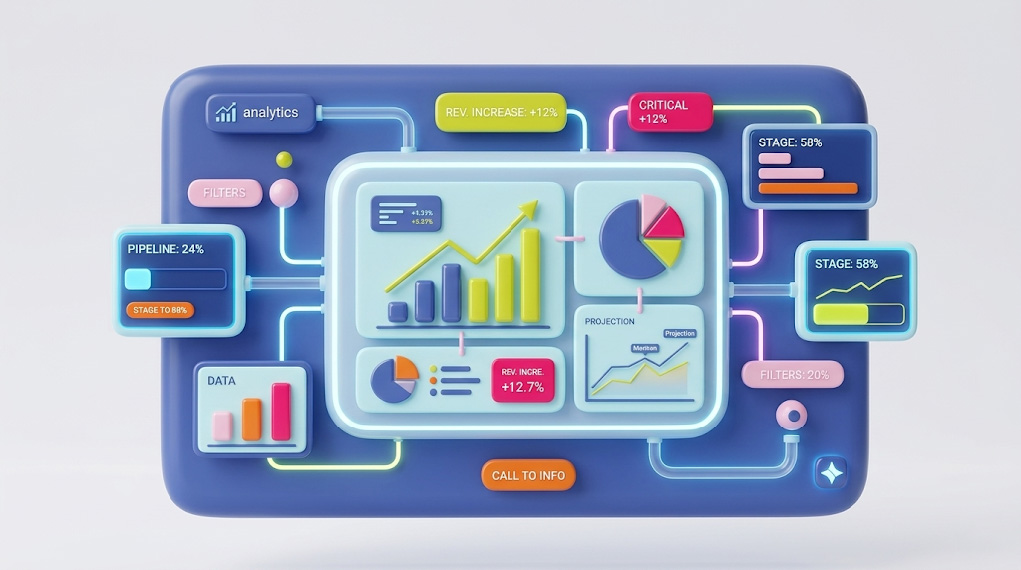
Building a customized AI marketing stack 2026 from scratch requires technical integrations, webhooks, and expensive software licensing fees.
This complexity is why integrated platforms have become the industry standard.
Power Reach AI replaces the fragmented model by bringing your entire growth engine under one roof. It deploys a complete system in just 5 business days, including:
- Conversion-First Website: Conversion-optimized, mobile-responsive, and fast.
- AI-Driven SEO: Continuous optimization to rank on Google and modern AI engines.
- Autonomous AI Agents: Web chat and voice agents that capture and qualify leads 24/7.
- PPC & Email Automation: Automated ad optimization and high-converting nurture sequences.
- Unified ROI Dashboard: Complete visibility over your traffic, leads, and ad spend in one place.
The Financial Reality Check:
- Traditional Stack (5 Vendors + Software): ~$12,350 per month.
- Power Reach AI (Unified Stack): One flat rate.
This model saves businesses over $100,000 annually, freeing up vital capital to put directly into paid ads.
How to Build Your Own 2026-Ready Marketing Stack
If you want to transition your business to an automated model, use this step-by-step checklist:
- Step 1: The Audit. List every marketing software subscription you pay for and cancel any tool that does not integrate with your primary CRM.
- Step 2: The Core. Establish a single “Source of Truth” CRM (such as HubSpot or GoHighLevel) where every lead, call, and interaction is automatically logged.
- Step 3: Speed-to-Lead. Connect your website forms to an automated responder or an AI voice agent to engage prospects within 60 seconds of submission.
- Step 4: Continuous Optimization. Implement feedback loops so your conversion data automatically refines your advertising bids.
The Window is Closing
The divide in 2026 is no longer between big and small businesses. It is between the automated business and the manual business.
Lean teams utilizing integrated 2026 digital marketing strategies are outcompeting enterprise brands because they move faster, eliminate administrative overhead, and capture leads instantly.
You can continue paying for expensive human hours to do tasks that software can execute for pennies, or you can build a system that works while you sleep.
Want the entire system built and managed for you?
Power Reach AI deploys your full growth infrastructure in just 5 business days.
👉 Learn more at powerreach.ai
Frequently Asked Questions (FAQs)
- Will AI marketing automation replace my marketing manager?
No. It changes their role. It automates repetitive tasks (such as scheduling, basic drafting, and data entry), allowing your manager to focus fully on creative direction, brand positioning, and customer relationships.
- Does Google penalize websites that use AI content?
Google rewards high-quality, helpful content regardless of how it is produced. However, search engines penalize unedited, low-value AI generation. The most effective strategy uses AI to research and draft, while humans edit and inject brand-specific expertise.
- What is the single most important metric for website conversion?
Speed-to-lead. Responding to a web inquiry within 5 minutes versus 30 minutes makes you 21 times more likely to qualify that prospect. If you do not respond immediately, they will simply click on your competitor.