Most businesses think they have a marketing tech stack.
In 2026?
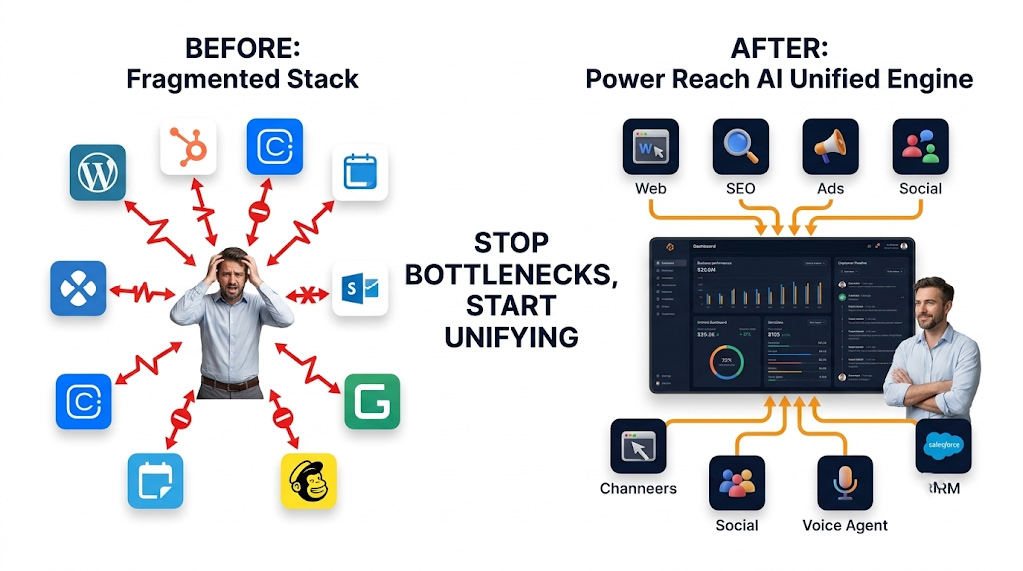
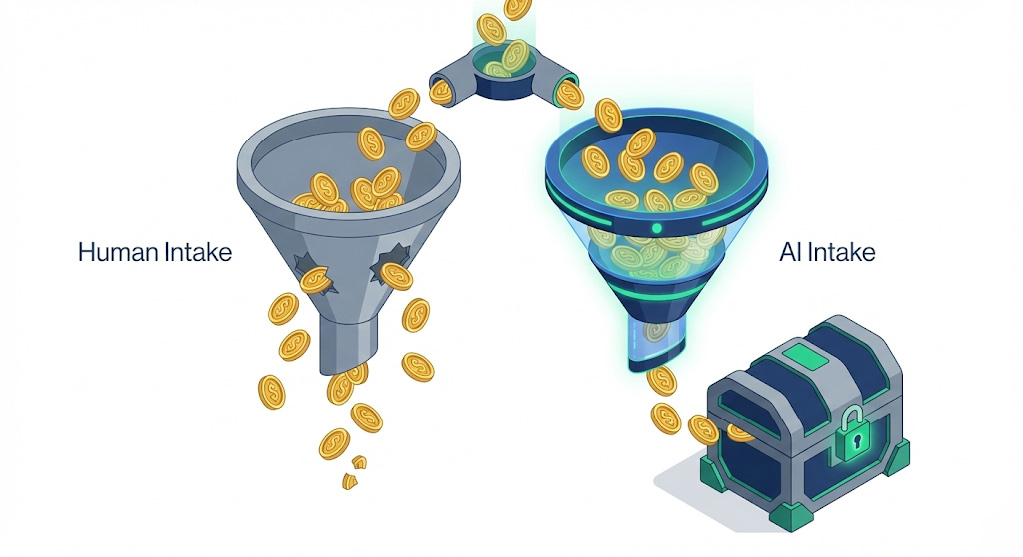
They really just have a “Franken-stack”—a chaotic graveyard of scattered tools that don’t talk to each other, bleeding monthly subscription fees while their owners drown in manual work.
Here is the brutal truth about the marketing landscape right now:
The gap between “having AI tools” and “having an AI system” is where profit goes to die. While 88% of marketers use AI daily, less than 15% have a stack that actually removes the human from the grunt work.
If you are still copy-pasting data from ChatGPT into a Google Doc, then into an email tool, and then manually checking analytics… you are the API. And that is the most expensive bottleneck in your business.
This guide maps out the 2026 Integrated AI Stack—not a list of cool gadgets, but a blueprint for an automated revenue engine that runs while you sleep.
The New Reality of Marketing in 2026
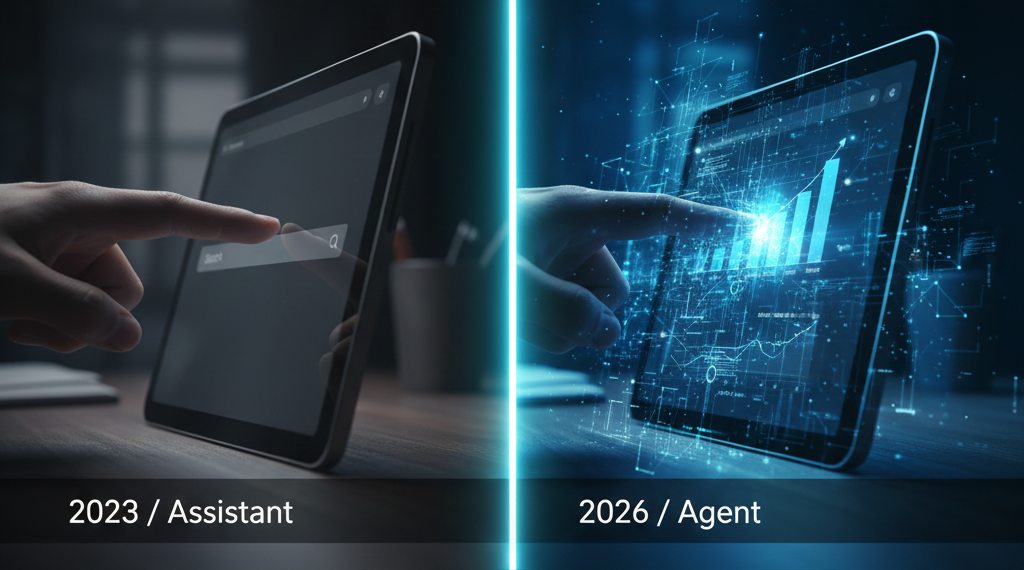
In 2023, AI was a novelty toy for writing emails.
In 2026, AI is the operating system of growth.
The fundamental shift is simple: AI has moved from “Assistant” to “Agent.”
Old AI waited for you to give it a prompt. The 2026 stack proactively identifies a problem (e.g., “Organic traffic is down 4%”), formulates a plan (e.g., “Update these 5 articles”), and executes it (e.g., “Drafts, optimizes, and queues updates”).
We have entered the era of “Zero-Latency Marketing.”
- Manual Work is Dead: Humans no longer resize images, schedule posts, or clean data.
- Context is King: Your email tool knows exactly what ad your lead clicked on and what blog post they read yesterday.
- Execution vs. Strategy: AI handles 90% of the execution. Humans handle 100% of the strategy and emotional connection.
📊 Visualizing the Shift: Time Spent on Marketing Tasks
| Task Type | 2023 (Manual Era) | 2026 (Agentic Era) |
| Data Entry & Formatting | 15 hrs/week | 0 hrs/week (Automated) |
| Content Drafting | 20 hrs/week | 2 hrs/week (Review only) |
| Campaign Optimization | 10 hrs/week | 0.5 hrs/week (AI Auto-adjust) |
| Strategic Thinking | 5 hrs/week | 30 hrs/week (High Value) |
The 2026 AI Marketing Stack (Step-by-Step Breakdown)
A true stack isn’t a list of tools; it’s a relay race. Each layer passes the baton (data) to the next without you needing to intervene.
1. The AI Website Engine (The Foundation)
- What it does: It’s not a static brochure; it’s a liquid asset. It uses AI to personalize headlines and offers based on visitor behavior in real-time.
- Why it matters: Static sites have high bounce rates. AI sites adapt to the user, increasing conversion probability.
- Psych Insight: Relevance reduces friction. When a customer sees exactly what they were looking for immediately, trust spikes.
2. The Search Intelligence Layer (Beyond SEO)
- What it does: Instead of just “finding keywords,” it analyzes “Answer Engine” intent (for Google Gemini, Perplexity, etc.). It predicts what questions your customers will ask before they ask them.
- Small Business Use Case: An AI agent monitors trending topics in your niche and auto-suggests content briefs to capture that traffic instantly.
3. The AI Content Factory
- What it does: Connects research to production. It takes the brief from layer 2 and generates blogs, social snippets, and scripts—all in your specific brand voice (no generic “AI robot” tone).
- Why it matters: Volume + Consistency = Authority.
- Tool Example: Agentic workflows (like Jasper or Copy.ai integrated via API).
4. Social Media & Creative Automation
- What it does: Auto-generates 50 variations of a creative asset (images, short videos) and tests them. It schedules posts not based on a calendar, but on when your audience is active.
- Psych Insight: The Mere Exposure Effect. Consistent, high-quality visibility makes your brand feel familiar and safe.
5. Paid Ads Optimization AI
- What it does: “Algorithmic Trading” for your ad spend. It watches your budget 24/7, killing losing ads and scaling winning ones faster than any human media buyer could.
- Real Value: Stops wasted ad spend (the #1 fear of small business owners).
6. Email & CRM Automation (The Brain)
- What it does: This is where the data lives. It uses “hyper-segmentation.” If a lead visits your pricing page, the AI drafts a personal email from the founder addressing their specific industry pain points.
- Why it matters: Generic newsletters get deleted. Personalized notes get replies.
7. Unified Analytics + Decision Dashboard
- What it does: Stops you from logging into 8 different tools. It pulls data from everywhere into one “Truth Dashboard” that tells you your exact CAC (Customer Acquisition Cost) and ROI.
🧠 The 2026 Mindset Shift
“In 2026, the most valuable marketing skill isn’t creativity or budget — it’s orchestration. The winner is the one who builds the best machine.”
What a Full AI Stack Looks Like When It Works Together
When your stack is integrated, magic happens. Data flows like water, not like molasses.
🔄 The Flow of a Unified Stack:
⚙️ AI Website –> captures visitor data –> AI CRM segments the lead –> AI Content generates a personalized email –> AI Ads serves a retargeting ad based on that email –> AI Analytics measures the profit.
Micro-Case Studies (The Difference in Real Life):
- Scenario A (The Fragmented Business):
- Jane, owner of a boutique firm. She manually downloads leads from Facebook ads. She uploads them to Mailchimp on Friday. By then, the leads are cold.
- Result: 2% Conversion Rate. High stress.
- Scenario B (The Integrated 2026 Business):
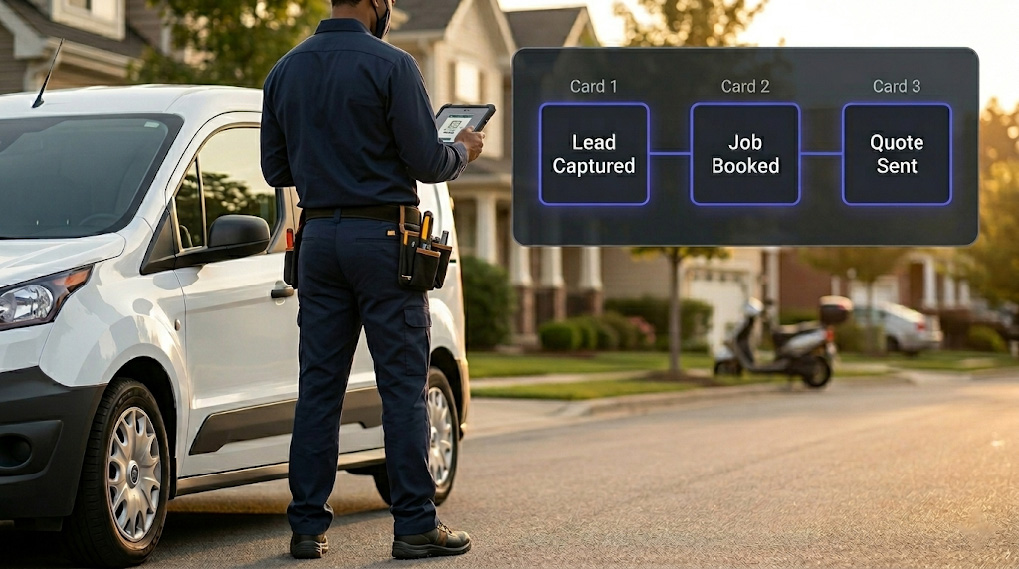
- Mark, owner of a similar firm. His AI stack detects a lead. Within 30 seconds, his AI CRM sends a personalized text. The lead replies. The AI Agent books a meeting on Mark’s calendar.
- Result: 12% Conversion Rate. Zero manual effort.
The Mistakes 87% of Businesses Still Make
You can have the best tools in the world, but if you build the house wrong, it will collapse.
Common Pitfalls:
- Buying “Point Solutions”: Purchasing a fancy AI video tool that doesn’t connect to your email system.
- Using AI Only for Content: Using ChatGPT to write blogs but still manually posting them to WordPress. That’s only 10% of the automation potential.
- Missing the Data Loop: If your sales data doesn’t feed back into your ad strategy, your AI is flying blind.
- The “Agency Bloat”: Paying a traditional agency $5,000/month just to manage one of these layers manually.

Section 5: Example of a Working AI Stack (Featuring Power Reach AI)
Building this stack yourself requires expensive software licenses (Zapier, HubSpot, Semrush, Jasper, etc.) and serious technical skill to glue them together.
This is why “Agency-in-a-Box” platforms are the dominant trend for 2026.
Take Power Reach AI as the prime example of this consolidation.
Instead of stitching together 8 different subscriptions, Power Reach AI provides the entire pre-integrated stack:
- AI Website & SEO: Built-in ranking engine.
- Content & Creative: Automated blog and social production.
- Ads & Outreach: Paid media management and cold outreach systems.
- Unified Dashboard: One login to see your entire business health.
The “Wallet Punch” Comparison:
- DIY Stack Cost: ~$1,500/mo (Software) + $10,000/mo (Labor) = **$11,500/mo**
- Power Reach AI: Integrated System = ~$2,000/mo
Annual Savings: $100,000+
This isn’t just savings; it’s capital you can reinvest into ad spend to grow faster.
How to Build Your Own 2026-Ready Marketing Stack
Ready to stop playing catch-up? Here is your execution plan.
Phase 1: The Audit (Week 1)
- List every tool you currently pay for.
- Identify where data gets “stuck” (e.g., “I have to manually move leads from X to Y”).
- Cancel any tool that doesn’t integrate with your CRM.
Phase 2: The Core (Week 2-3)
- Centralize your data. Choose one CRM or platform (like Power Reach AI) as your “Source of Truth.”
- Ensure your website is feeding data directly into this core.
Phase 3: The Automation (Week 4)
- Set up your “Agents.”
- Content Agent: Auto-post to social.
- Lead Agent: Auto-nurture new signups.
Interactive: Build Your Stack
<div style=”background-color: #f0fdf4; border: 1px solid #16a34a; padding: 20px; border-radius: 8px;”>
<strong>💡 Try This AI Prompt Today:</strong>
Copy and paste this into ChatGPT or Claude to get a custom roadmap:
<em>”Act as a Marketing Operations Technologist. I run a [Industry] business targeting. My current goal is [Main Goal, e.g., more leads]. Analyze my current tools: [List your tools]. Tell me which parts of my stack are obsolete in 2026, where I am wasting money, and propose a streamlined, automated 3-layer stack to replace the manual work.”</em>
</div>
The Window is Closing
2026 belongs to the businesses that automate early.
The divide is no longer between “Big Business” and “Small Business.” It is between “Automated Business” and “Manual Business.”
Small teams using an integrated AI stack are now outcompeting enterprise brands because they move faster, spend less on overhead, and execute with machine-like precision.

You have two choices:
- Keep renting expensive human hours to do work that software can do for pennies.
- Build a stack that builds your business.
Want the blueprint done for you?
Power Reach AI creates this entire infrastructure for you instantly. No coding, no “Franken-stack,” just results.